Aesthetics
A canvas of visual explorations — prints, wallpapers, and a personal encyclopedia of styles that shape the way I see.
Solarpunk
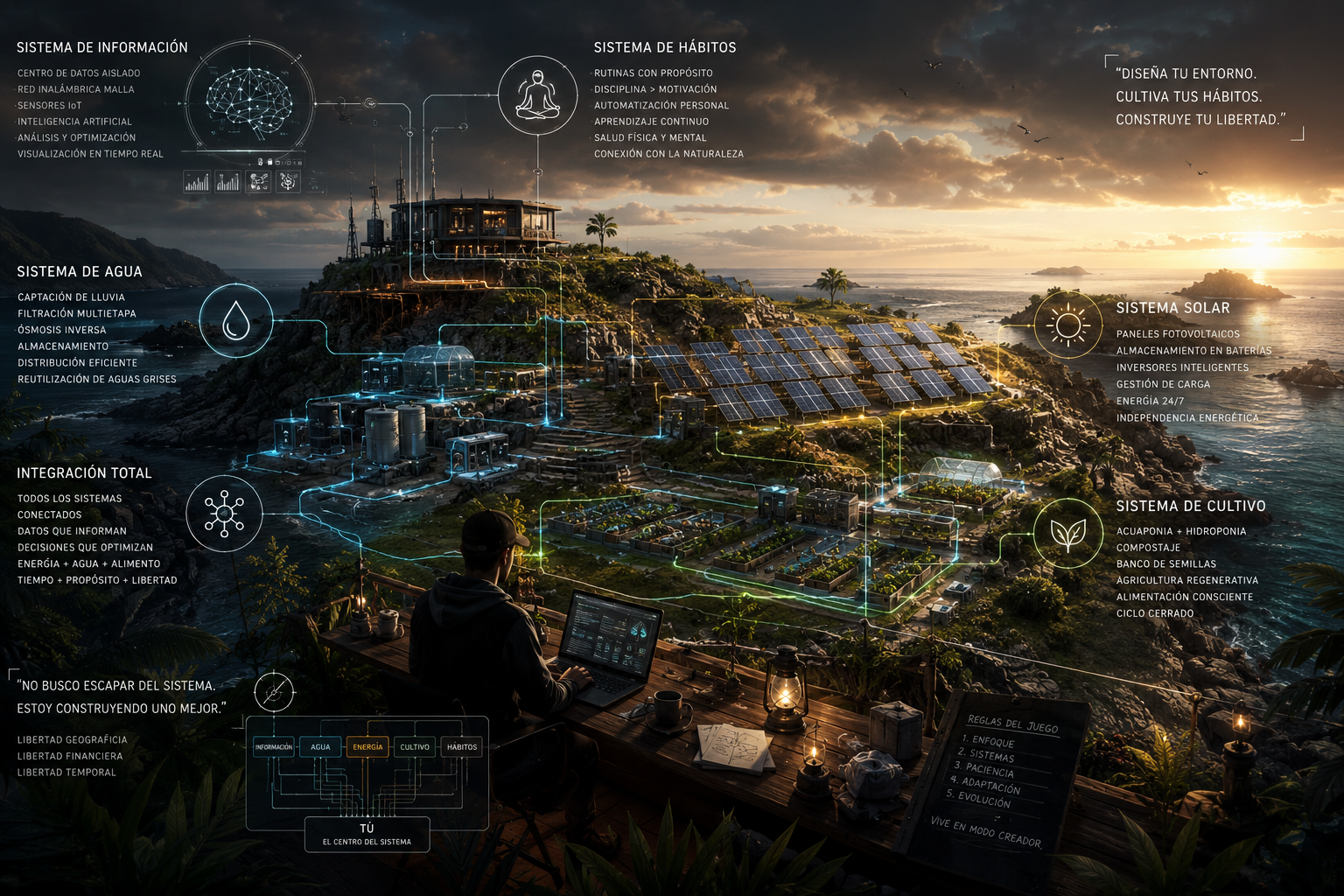
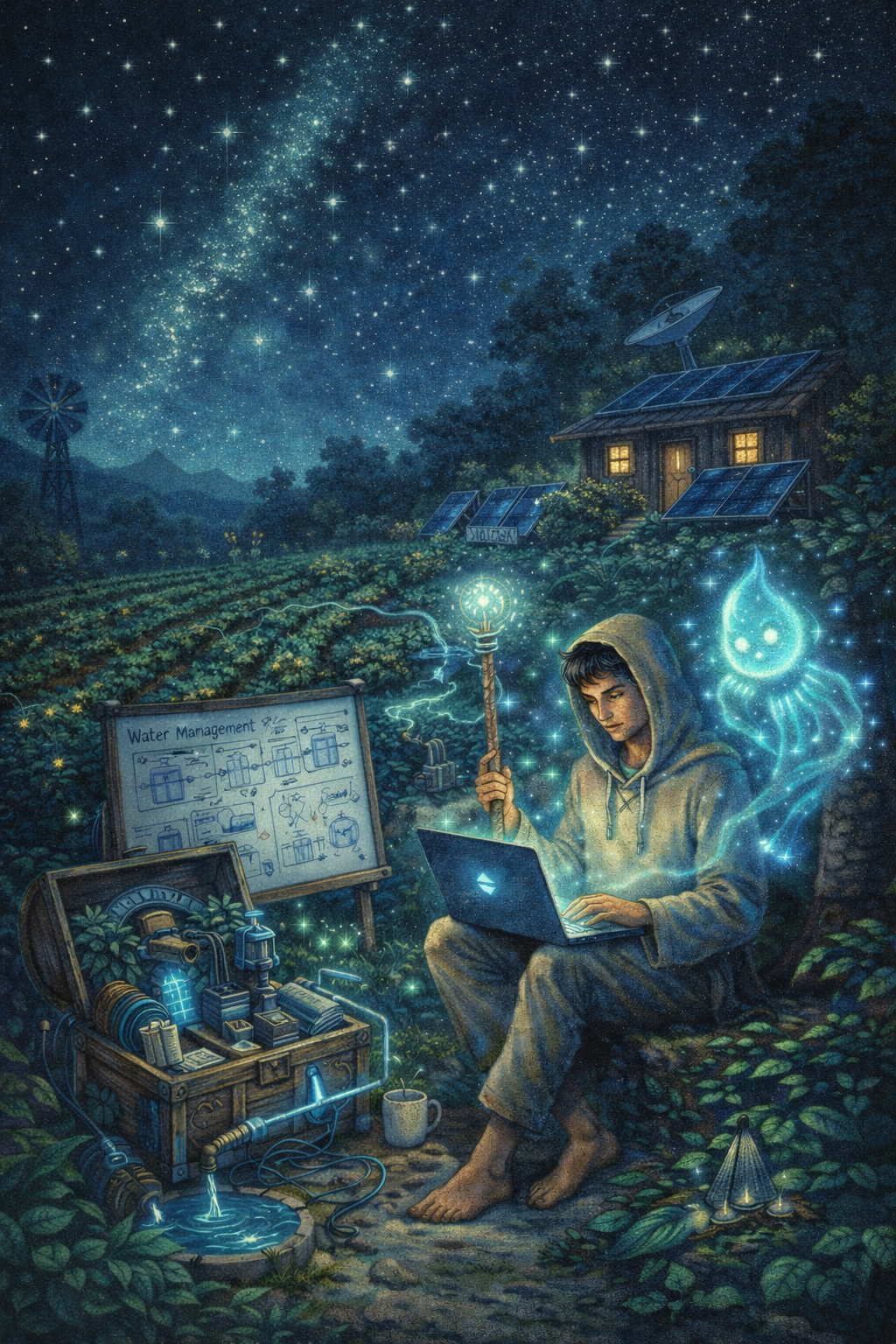
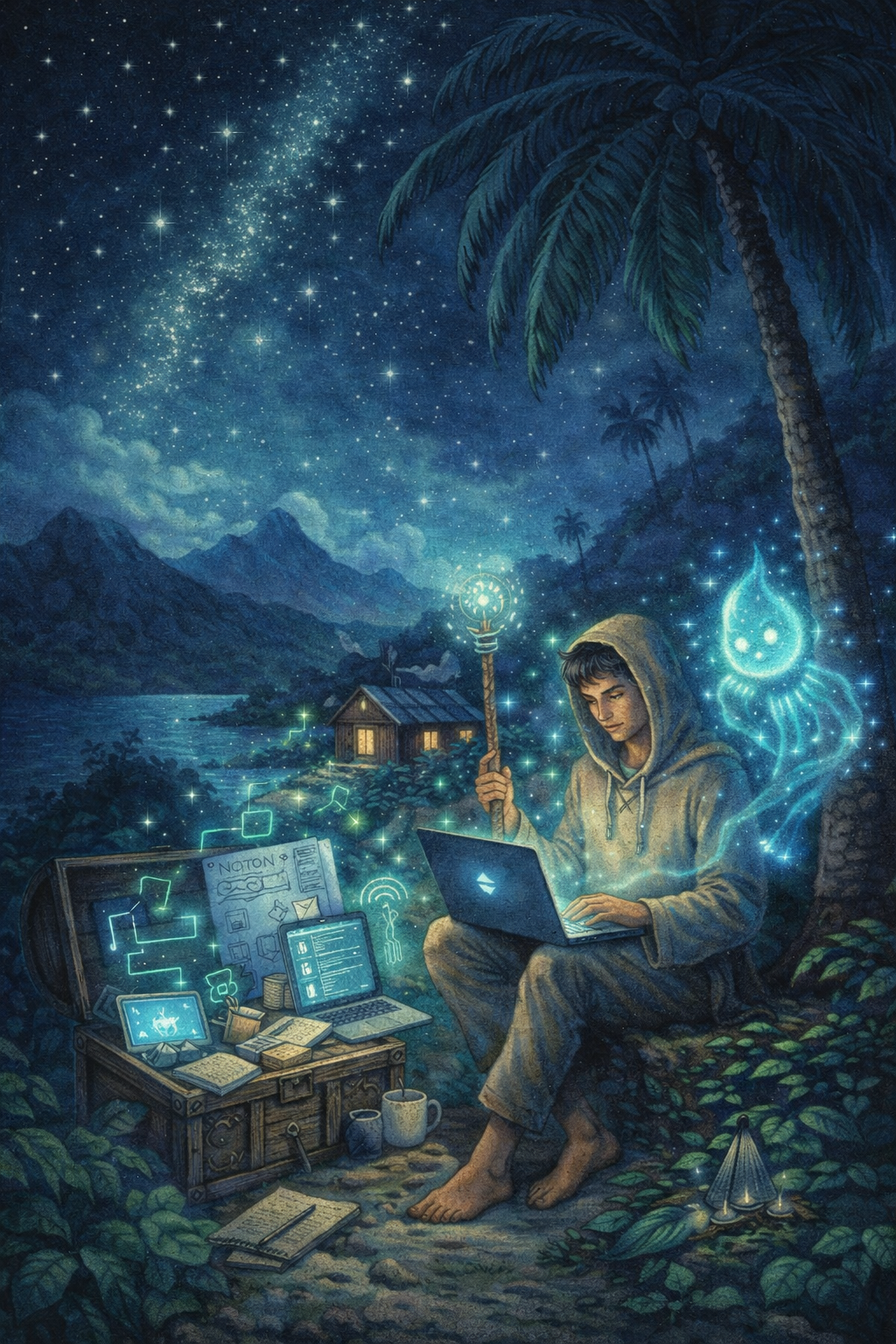
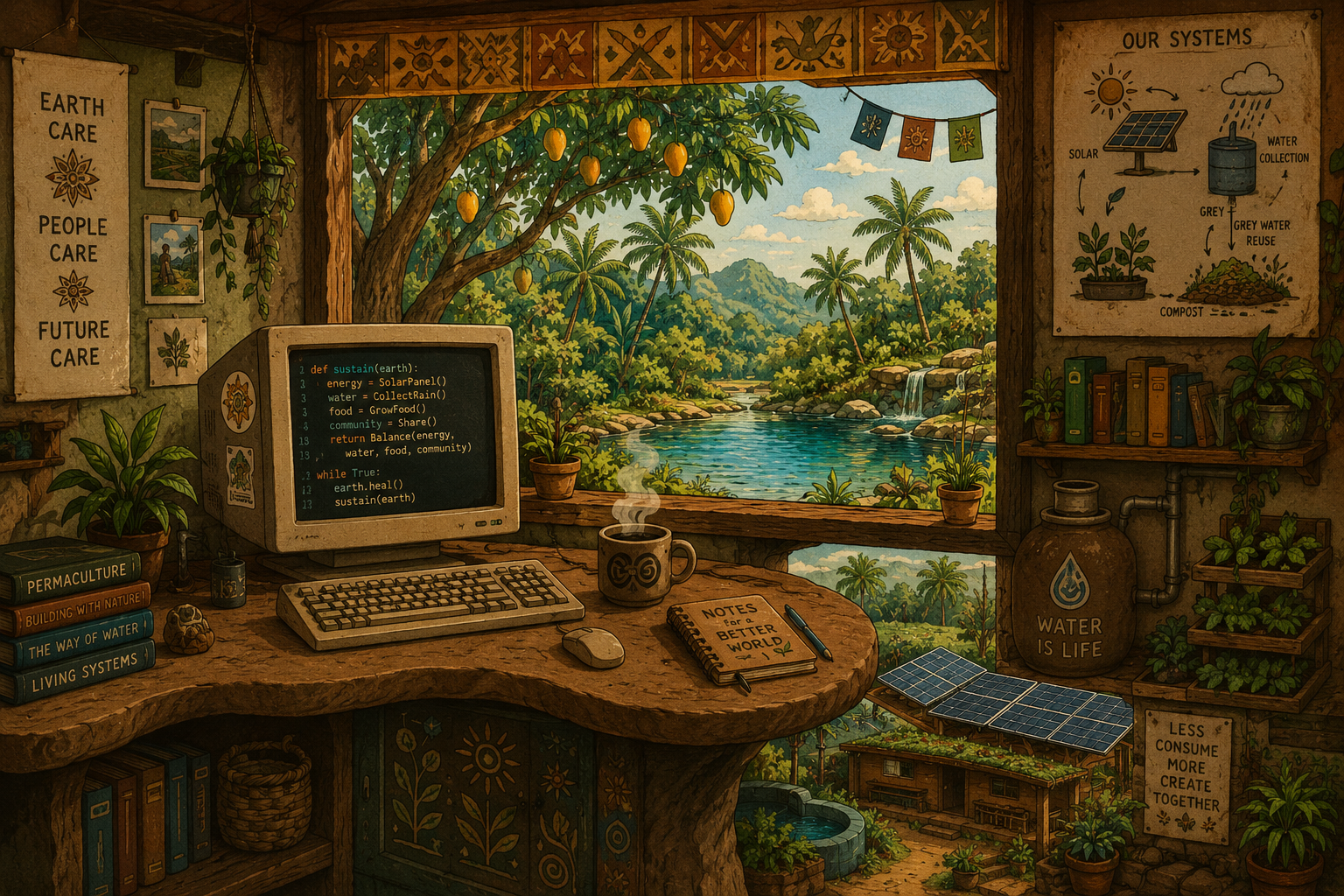
A movement and aesthetic that envisions a sustainable future built on renewable energy, community care, and radical ecological harmony. Merges Art Nouveau ornament with brass-pipe infrastructure, rooftop gardens cascading over glass towers, and public spaces reclaimed from cars. Solarpunk refuses dystopia — it insists the future can be earned, grown, and shared.
Liminal Spaces
The photographic and architectural genre capturing spaces that exist between destinations — empty swimming pools at 3 a.m., fluorescent-lit hallways, hotel corridors nobody walks. Liminal imagery exploits the uncanny valley of place: familiar enough to recognize, empty enough to unsettle. The feeling of a world on pause.
The Backrooms
Originating from a single 4chan image in 2019, The Backrooms expanded into an entire mythology of infinite office spaces: yellow walls, moist carpet, hum of fluorescent bulbs, and the constant sensation of being watched. To "noclip" out of reality is to fall into Level 0. The canon is crowdsourced, recursive, and inexhaustible.
Lofi
A genre that weaponizes imperfection — vinyl crackle, tape hiss, rain on glass. Visually anchored by the anime girl studying alone under a warm lamp, a cat on the windowsill, cities blurred through rain. Lofi aestheticizes focus, solitude, and productive melancholy. The music is designed to disappear into the background and become the texture of time.
La Isla de las Rosas
In 1968, engineer Giorgio Rosa built a steel platform seven miles off the Rimini coast and declared it the independent Republic of Rose Island — Insulo de la Rozoj — with Esperanto as its official language. The experiment lasted 55 days before the Italian navy demolished it. A parable about the desire to exit, to build something new from nothing, and the forces that resist it.
Waking Life
Richard Linklater's 2001 rotoscoped film follows a dreamer drifting through conversations about free will, consciousness, and the nature of reality. Shot on video and painted over frame-by-frame, the technique makes every scene shiver at its edges — as though reality itself is undecided. It is a film about lucid dreaming that feels like one: beautiful, unstable, impossible to hold.
2001: A Space Odyssey
Kubrick's 1968 monolith is less a narrative than a meditation on the gap between human ambition and cosmic indifference. The match cut from bone to satellite — cinema's greatest edit — collapses 4 million years in a single frame. HAL 9000 speaks in the gentlest voice possible as he commits murder. The film ends not with an answer but with a giant eye, and a door.
The Secret of Kells
Tomm Moore's 2009 animated film about a young monk in a medieval Irish monastery who helps illuminate the Book of Kells. The visual style is flat, geometric, and hypnotic — Celtic knotwork rendered as living things, forests as interlocking spirals, the eye of a cat as a labyrinth. The film treats illuminated manuscripts not as historical artifacts but as portals: art as a technology for containing light.
The Sidequest
The aesthetic of background characters who never got the main story. Gnomes who tend their gardens with the same devotion a hero brings to dragon-slaying. Wizards who set out for the capital three decades ago, got distracted by a particularly interesting mushroom, and just stayed. The sidequest is not a failure to find the main quest — it is the discovery that the main quest was always beside the point. Life at the margins of the map, where the forest is dense and the errands are small and everything matters enormously.